
How Gatehouse Security and Mobile Patrols Work Together to Protect Communities
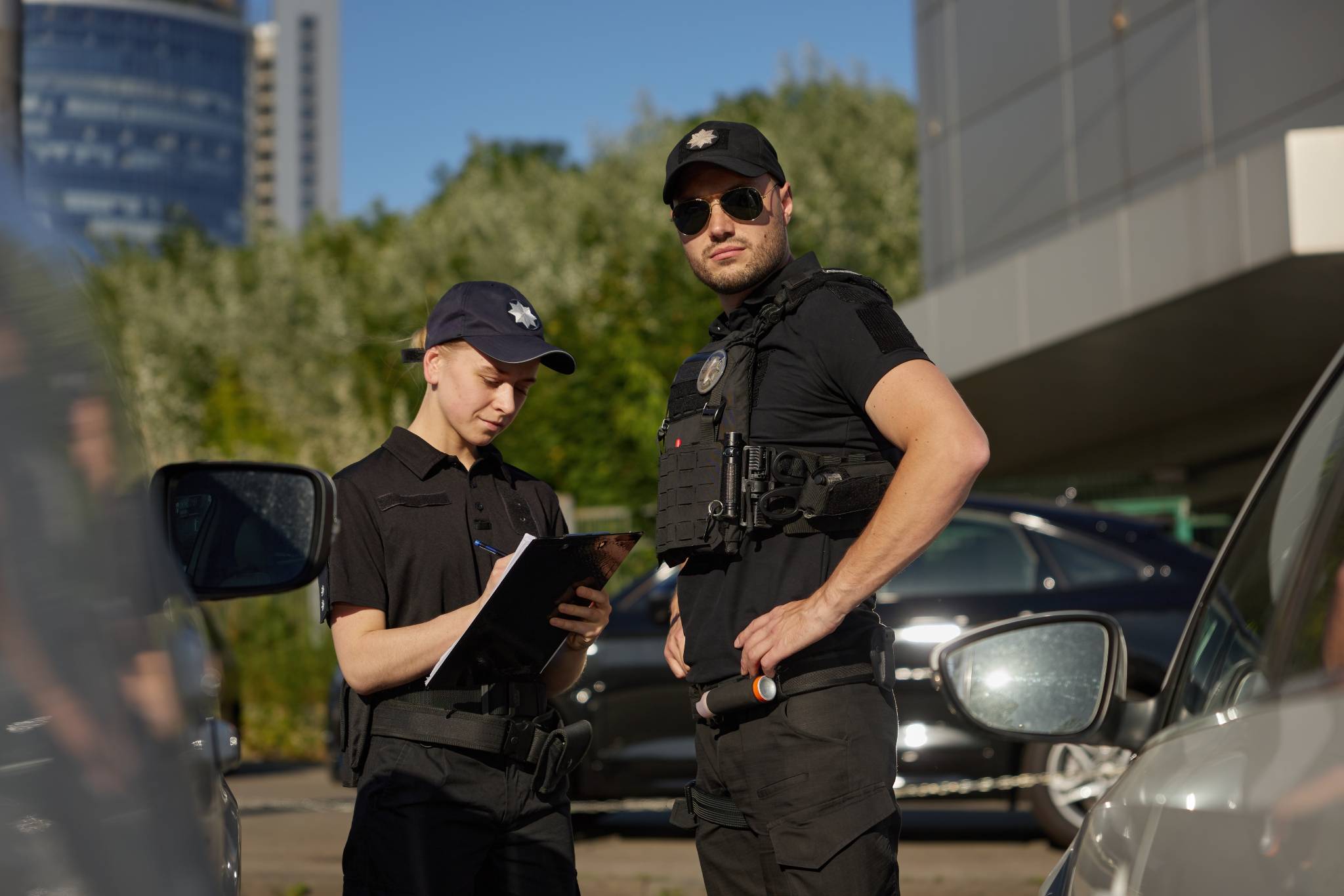
A security gate can control who enters a community, but it cannot watch every parking area, amenity, service road, or building entrance at once. Mobile patrols extend that coverage by checking areas beyond the gate, responding to concerns, and maintaining a visible presence throughout the property.
For communities across Florida, the answer is simple: gatehouse officers control access and gather information, while patrol officers use that information to direct attention where it is needed. Working together, these functions create a coordinated system where the security team manages access at the entrance while field officers inspect the community, communicate observations, and respond when conditions change.
The Gatehouse Establishes the First Layer of Control
The gatehouse is the primary checkpoint between public roads and private community property. Officers may verify residents, confirm guest authorization, record vendors, provide directions, monitor deliveries, and follow entry procedures set by management. Proper gatehouse security services also create a consistent process, so access decisions do not depend on informal habits or changing instructions from one shift to another.
Modern gate officers often combine customer service with access control and visitor processing. ASIS International notes that guards working in reception or concierge roles commonly manage visitor access and may use digital systems to register guests, scan identification, capture photographs, and issue temporary passes. These duties help communities maintain records while giving residents and approved visitors a professional point of contact.
Patrol Officers Cover What the Gate Cannot See
Once a person or vehicle enters, the property still contains areas that require observation. Mobile patrol security may include scheduled or randomized checks of parking lots, clubhouses, pools, mail areas, perimeter fencing, utility spaces, vacant units, and other locations identified by management. Officers can also look for open doors, damaged lights, blocked fire lanes, water leaks, suspicious activity, or policy violations not visible from the entrance.
The value of patrol work depends on purposeful deployment rather than repeatedly following the same route at predictable times. Research reviewed by the National Institute of Justice has found promising results from geographically focused law-enforcement patrols in identified high-crime areas. Although police programs differ from private security operations, the findings support a practical principle: patrol resources should be directed by incident patterns, resident concerns, property activity, and management priorities rather than assigned without a clear purpose.
Communication Connects Both Functions
Communication between posts is critical to a security program’s success. Gatehouse and patrol officers should exchange timely information through radios, dispatch systems, written logs, or approved mobile reporting tools. When a gate officer notices an unfamiliar vehicle, receives a resident complaint, or admits a contractor who must remain in a defined area, that information can be passed to the patrol officer.
In the other direction, patrol officers can inform the gatehouse about a broken access arm, an unsecured pedestrian entrance, repeated parking problems, or activity near a remote boundary. Clear communication allows security patrol services to work as an extension of access control rather than as a separate function with limited context. It also gives property managers a clearer record of what happened, who responded, and whether added action is needed.
A Visible Presence Supports Deterrence and Resident Confidence
A staffed entrance shows that access is being observed, while marked patrol activity demonstrates that security extends beyond the front gate. Together, these measures can discourage opportunistic behavior by increasing the likelihood that unauthorized activity will be noticed. The National Institute of Justice has also identified controlled gating as a promising situational crime-prevention practice where restricted access reduces opportunities for property offenses.
Residents also judge security by daily interactions. An officer who gives clear directions, follows guest procedures consistently, and responds calmly to a call can reinforce confidence without creating an unwelcoming atmosphere. Effective gated community security balances courtesy with rule enforcement during busy visitor periods, contractor arrivals, community events, and overnight hours.
Coordinated Response Improves Incident Handling
When an incident occurs, the gatehouse can become a communication point while the patrol officer moves toward the reported location. The gate officer may preserve entry records, restrict additional access when authorized, provide directions to emergency responders, and relay updates. The patrol officer can assess conditions, document relevant facts, and request law enforcement, fire, or medical assistance when required.
This division of responsibilities matters during medical calls, disturbances, vehicle accidents, alarm activations, severe weather, fire watch assignments, or suspected unauthorized entry. It prevents the entrance from being left unattended because an issue developed elsewhere.
Reporting Turns Daily Activity Into Useful Information
Security reports should do more than confirm that an officer was present. Gate logs, patrol observations, incident reports, and shift notes can reveal repeated access disputes, lighting failures, unsecured doors, loitering locations, vendor problems, or times when staffing demands rise. Management can use these patterns to revise instructions, adjust patrol timing, repair physical weaknesses, or address resident communication.
Professional security guard services should follow defined post orders that explain responsibilities, escalation procedures, reporting expectations, and emergency contacts. Consistent records also help the next shift understand unresolved issues instead of starting without context. Over time, this shared information makes both the gatehouse and patrol program more responsive to actual property conditions.
The Program Should Match the Community
No two communities have the same entrance design, resident population, traffic volume, amenity layout, or risk profile. A condominium with one controlled driveway may need a different arrangement than a large gated development with multiple entrances, construction traffic, waterfront areas, and extensive common property. Staffing hours, patrol frequency, reporting methods, and officer duties should reflect the site rather than a generic package.
Frontline Protective Services has served South Florida communities for over 35 years. Our process typically begins with a site assessment to identify where a permanent post is necessary, where mobile coverage adds value, and how both teams should communicate. Property managers can then review available service options before selecting a structure that fits their community’s operational needs and budget priorities.
Build a More Connected Security Program
A gatehouse controls the point of entry, while mobile patrols extend observation and response across the property. Their combined value comes from shared procedures, timely communication, clear reports, and staffing that reflects how the community operates.
Frontline Protective Services provides coordinated security coverage for residential and commercial properties in South Florida, with programs built around each site’s access points, common areas, operating hours, and daily activity. To discuss a security arrangement for your Florida property, contact us today.