
What Does a Professional Gatehouse Security Officer Actually Do?
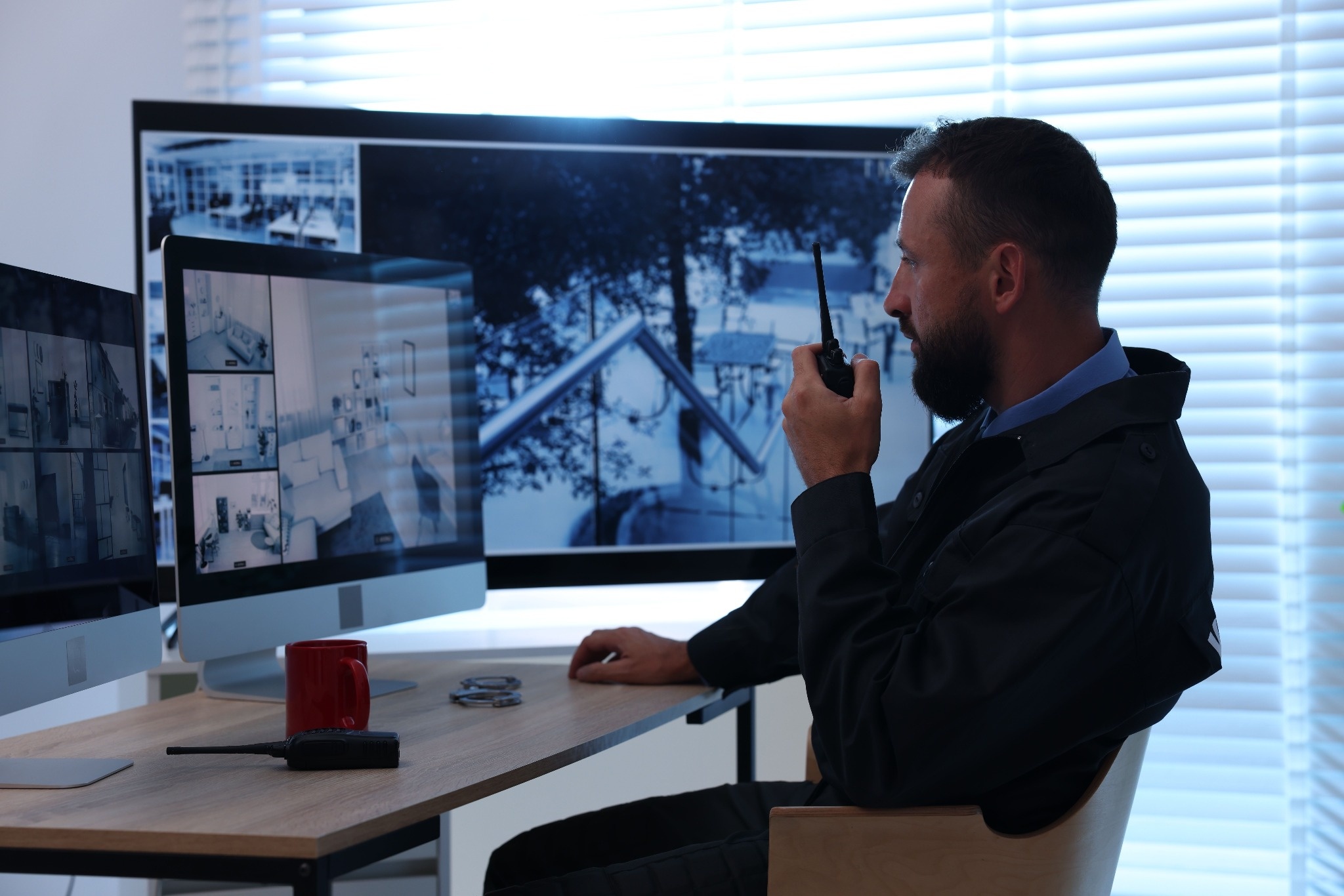 A professional gatehouse security officer controls entry, verifies visitors, observes activity, documents incidents, and helps enforce site rules at the first physical point of entry. It is where access decisions, visitor records, deliveries, emergency communication, and daily security presence begin.
Based in Boca Raton, Frontline Protective Services supports properties that need a trained human presence at that critical checkpoint. If your property needs clearer entry procedures, request service information from our security team today.
A Gatehouse Officer Is the First Point of Control
The main duty of a gatehouse officer is access screening. That may include checking a resident list, confirming a guest name, reviewing work orders, logging vendor arrival times, issuing temporary passes, and denying entry when a person is not authorized.
This is where gatehouse security services differ from a camera-only setup. Technology can record activity, but a trained officer can ask questions, notice changes in behavior, contact the right person, and document why a decision was made. The goal is controlled, consistent, and accountable entry.
Visitor Verification Protects People and Property
A gatehouse officer often handles guest lists, resident call-ins, delivery logs, contractor check-ins, and service appointments. ASIS International explains that an access control system should allow access to people with permission and deny access to people without permission. Visitor rules lose value when applied casually.
For Florida communities, access control security may also reduce confusion during busy periods. Seasonal visitors, moving trucks, maintenance vendors, and invited guests can all arrive on the same day. A gatehouse officer keeps the flow organized by following approved procedures instead of guessing.
Officers Document What Happens at the Entry Point
Gatehouse work includes written or digital reporting. Officers may record visitor names, license plates, arrival and departure times, denied entry attempts, rule violations, resident complaints, emergency calls, gate malfunctions, suspicious activity, and property damage. These records give management a clearer view of what is happening at the entrance.
Documentation also supports accountability. If a dispute arises over whether a contractor arrived, whether a guest was approved, or whether a delivery was refused, the log may help property managers review the event.
Communication Is Part of the Security Role
Gatehouse officers do not work in isolation. They may communicate with residents, property managers, maintenance teams, patrol officers, law enforcement, emergency medical services, and fire rescue. Good communication keeps small issues from becoming larger problems. For example, an officer may report a broken gate arm before it affects traffic or guide first responders to the correct building.
Professional security officer services require calm judgment and clear communication. The officer may need to explain a rule to an upset guest, ask a vendor to wait for approval, or help a resident understand why a visitor was not admitted. Tone matters because the gatehouse officer represents the property while still enforcing its rules.
A Visible Officer Can Deter Unwanted Conduct
A staffed gatehouse creates a visible point of accountability. People are less likely to test access rules when they know someone is recording entries, checking approvals, and watching vehicle movement. For commercial sites, this can support loss prevention. For residential communities, it can reduce trespass, parking issues, and unauthorized vendor access.
The Florida Department of Agriculture and Consumer Services licenses and regulates the private security industry under Chapter 493, Florida Statutes. Florida Class D security officers must meet training requirements, including proof of at least 40 hours of professional training. This licensing structure matters because property owners should not treat entry control as a casual front desk task when security duties are involved.
Gatehouse Duties Change by Property Type
Every site has different traffic patterns and risks. A condominium gatehouse may focus on resident guests, deliveries, parking decals, and move-in schedules. A warehouse may require vendor logs, truck access, and delivery appointments. A marina may need after-hours visitor control and contractor screening.
That is why service planning should match the actual property. Gated community security may involve courtesy, consistency, and resident communication. A construction site may require stronger focus on equipment, materials, entry records, and off-hour activity. A healthcare facility may need calm visitor direction and fast escalation when a situation affects staff or patients.
Officers Support Emergency Response
When an emergency happens, the gatehouse officer may be the first person to receive a report or spot the issue. Duties can include calling 911, opening access for first responders, directing emergency vehicles, informing management, keeping traffic clear, and documenting the event once the immediate risk has passed. OSHA guidance on workplace violence prevention encourages employers to assess worksites and address risks through site-specific prevention plans.
For communities and commercial properties, the gatehouse can become a communication point during fires, medical calls, weather events, power outages, water leaks, or disturbances. An officer who knows the property layout and post orders can move quickly and help reduce confusion.
Post Orders and Technology Guide Daily Decisions
A professional gatehouse officer should follow post orders, which are written instructions for the site. These may cover visitor approval steps, emergency procedures, delivery access, vendor hours, parking rules, resident contact instructions, incident reports, shift notes, equipment checks, and escalation procedures.
Strong post orders help onsite security officers provide consistent service from one shift to the next. They also help property managers measure performance. If the property changes its rules, the post orders should be updated so officers are not relying on outdated instructions.
Gate access systems, cameras, license plate readers, visitor software, radios, phones, and intercoms can support the gatehouse. Still, tools do not replace judgment. A camera may show a vehicle at the entrance, but the officer decides whether the entry request matches policy. Our firm offers permanent manned security guards, monitoring loss prevention, mobile patrol services, disaster watch and fire response, and automated surveillance.
A Better Gatehouse Starts With Clear Expectations
A professional gatehouse security officer gives a property more than a person in uniform. The officer helps manage access, document events, support emergency response, communicate with the right people, and create a consistent front-entry process. Florida communities, commercial properties, marinas, healthcare facilities, and construction sites benefit when the entry point is organized and staffed by licensed personnel. Frontline Protective Services can help build a gatehouse security plan that fits the people, traffic, and risks tied to your property. For dependable officer coverage and clear security procedures, contact us today.