
How Security Guards Help Prevent Trespassing in Condominium Buildings
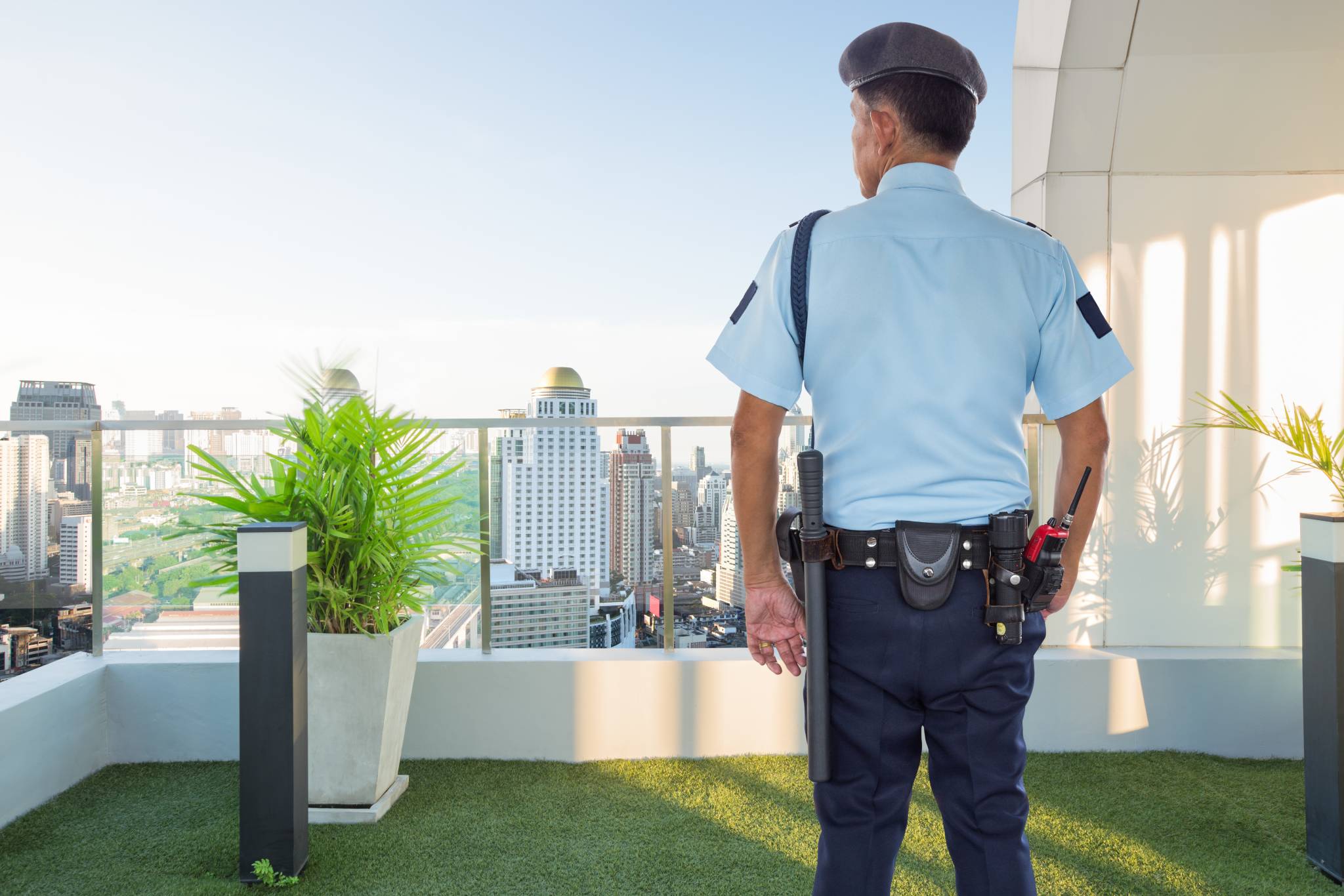 Condominium buildings combine private homes with shared entrances, garages, hallways, pools, and service areas. An unauthorized person may follow a resident inside, claim to be a guest, use an unsecured door, or remain after being told to leave. For Florida associations and property managers, Frontline Protective Services provides a human presence that cameras and locks cannot provide alone. A trained guard helps prevent trespassing by controlling entry, watching activity, conducting patrols, documenting incidents, and responding to access violations.
Every property has entry points, resident routines, and peak traffic periods. A site-specific plan places officers where they offer the greatest value. If your association needs tighter entry oversight, review our condominium security services and request coverage built around the building, policies, and operating hours.
A Visible Presence Discourages Unauthorized Entry
Trespass prevention often begins before anyone crosses the property line. A uniformed officer signals that visitors may be questioned, credentials checked, and suspicious conduct noticed. That accountability can discourage people seeking an unobserved route into a lobby, garage, pool deck, package room, or residential floor.
Visibility is strongest when officers remain attentive and vary their observations. Guards can watch pedestrian and vehicle traffic, check side doors, and note unusual activity near fences or loading zones. Professional security guard services also give residents and staff an identified person to notify about attempted entry violations.
Entry Screening Creates an Active Barrier
Electronic locks can reject an invalid credential, but they cannot always determine whether someone borrowed a key fob, followed a vehicle through a garage gate, or gave a misleading reason for entering. A guard can ask whom a visitor is meeting, verify authorization, issue a temporary pass, direct deliveries, and deny entry when the building’s requirements are not met.
At vehicle entrances, gatehouse security supports consistent screening of guests, vendors, contractors, rideshare drivers, and service personnel. Officers can compare names with approved lists, call residents when required, record arrival details, and explain parking or access restrictions. The Cybersecurity and Infrastructure Security Agency recommends access-control measures that identify and process personnel, visitors, vehicles, vendors, and contractors, a principle that also supports orderly residential entry management.
Guards Address Tailgating and Resident Courtesy Risks
Condominium access rules can fail through ordinary courtesy. A resident may hold a door for someone who appears to belong, or a driver may allow another vehicle to follow through a closing gate. Guards can interrupt these moments respectfully by requesting identification and confirming the person’s destination without placing residents in the role of enforcement.
Effective access control security combines technology with active observation. Officers can monitor doors and gates, respond to intercom calls, check whether access points close properly, and report damaged locks or malfunctioning readers. Available service options can also be matched to permanent posts, mobile coverage, special events, or temporary conditions affecting a condominium property.
Patrols Cover Areas Beyond the Main Entrance
Trespassing does not always occur through the lobby. Beach access points, stairwells, garages, marina slips, recreation areas, and perimeter gates may be less visible to front-desk staff. Scheduled and irregular patrols extend observation across the property while making the security routine harder for an unauthorized person to predict.
During security patrol services, officers can check doors, gates, fences, lighting, vacant areas, and signs of forced entry. They may also identify people lingering in restricted locations and determine whether they are residents, authorized guests, or individuals who should leave. CISA guidance notes that patrols should inspect barriers such as locks, gates, and doors for signs of intrusion, reinforcing the value of physical checks rather than relying only on remote feeds.
Clear Documentation Supports Consistent Enforcement
When an access issue occurs, details matter. A guard can record the time, location, description, statements, actions taken, and any witnesses or video references. These reports help managers identify repeat behavior, recurring weak points, and periods when additional coverage may be useful. They also create a clearer record for board review, rule enforcement, or a law-enforcement response.
Florida law addresses unauthorized entry or remaining in a structure, as well as trespass on other property. The exact facts control how the law applies, but accurate reporting can help establish what occurred and what warning was given. Florida’s provisions appear in Sections 810.08 and 810.09. Guards should follow their training, site instructions, and legal authority rather than attempting actions outside their assigned role.
Fast Response Helps Keep a Small Issue Contained
If a person enters without permission, a guard can assess the situation, communicate the property’s rules, direct the individual to leave when authorized, alert management, and call law enforcement when circumstances require it. The officer can also preserve a safe distance, relay useful information, and guide residents away from the area. This measured response reduces confusion and keeps responsibility with trained personnel.
The value of residential security services also appears in everyday coordination. Guards can notify management about a propped door, help verify an unexpected vendor, watch an entrance while equipment is repaired, or increase observation during a resident event.
Building a Practical Condominium Security Plan
A useful plan begins with the property itself. Management should identify every pedestrian and vehicle entrance, restricted amenity, delivery route, emergency exit, camera blind spot, and period of heavy activity. Guard duties should then be written clearly, including visitor verification, patrol frequency, incident reporting, escalation steps, and communication with onsite staff.
Coverage should also reflect seasonal occupancy, renovations, special events, storm-related disruptions, and the needs of residents. A high-rise in Boca Raton may require a fixed lobby officer and garage checks, while a larger community elsewhere in Florida may benefit from several posts or mobile patrols. Regular review allows the association to adjust coverage when access patterns, building systems, or resident concerns change.
A Stronger First Line for Your Community
Trespass prevention depends on consistent screening, visible patrols, sound reporting, and a prompt response when someone ignores the rules. Frontline Protective Services works with condominium communities throughout Florida to create coverage suited to their entrances, shared areas, schedules, and operating procedures. If your board or management team is ready to strengthen daily access oversight, contact us today to discuss a security plan for your property.