
The True Cost of Construction Site Theft and How Security Patrols Reduce Risk
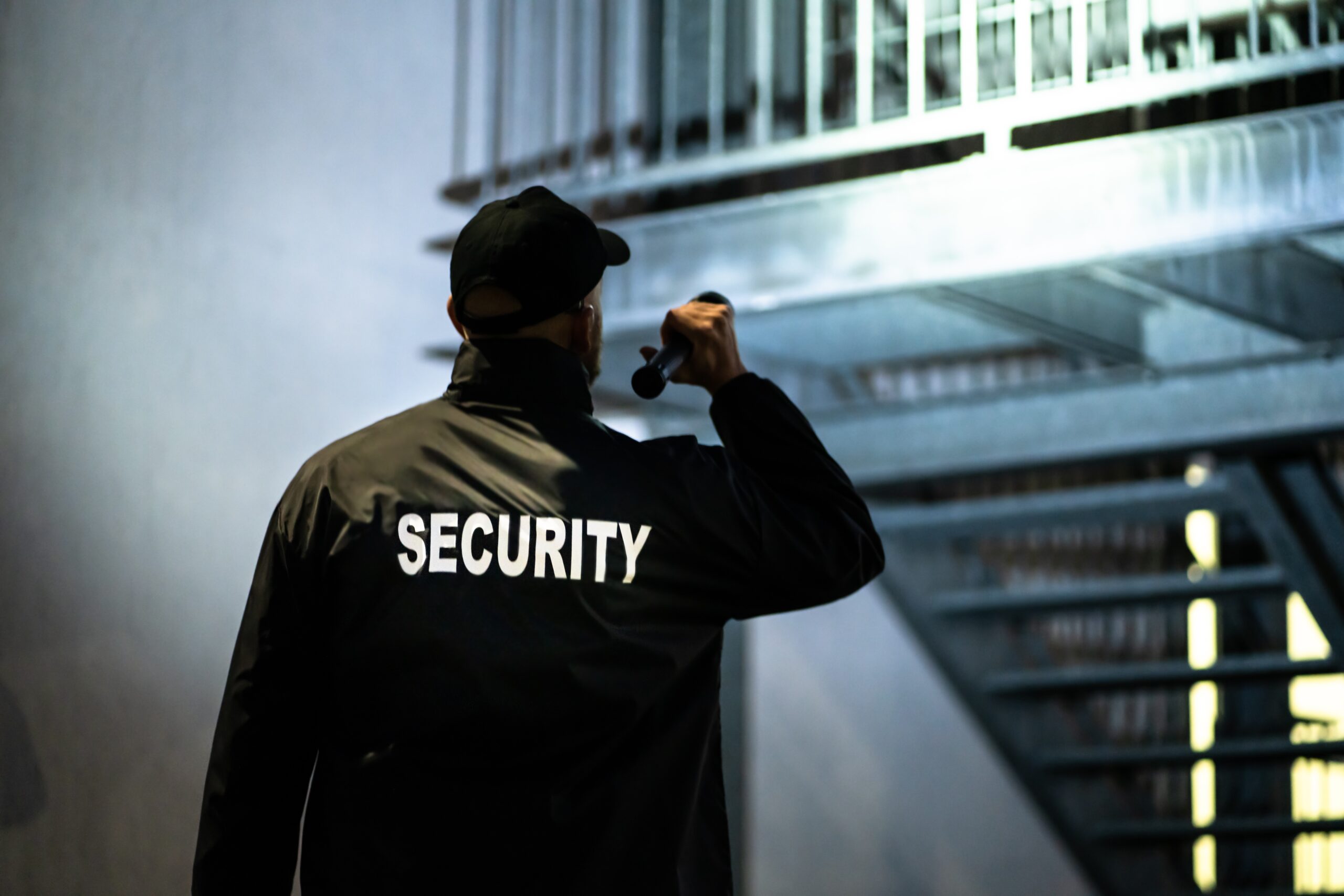 A construction site can look quiet after crews leave, but the value left behind can be high. Copper wire, lumber, tools, fuel, appliances, heavy equipment, and temporary power supplies may sit behind fencing overnight.
Frontline Protective Services works with Florida properties that need a stronger human presence around active sites, access points, and off-hour activity. The true cost of theft is not only the missing item. It can include work stoppages, equipment rental, insurance claims, overtime, missed deadlines, and client frustration.
Theft Costs More Than the Missing Equipment
Construction theft can drain a project budget in layers. A stolen generator can stop power-dependent work. Missing copper can delay inspections. Stolen tools can send employees home while supervisors search for replacements. Even a small theft can disrupt subcontractor sequencing.
The National Equipment Register reports that research has estimated annual heavy equipment theft losses at $300 million to $1 billion in the United States. That range focuses on direct equipment loss, not every added cost tied to idle labor, replacement rentals, schedule disruption, and administrative time. This is why construction site security should be treated as part of project cost control, not just an optional expense.
Common Targets on Florida Construction Sites
Florida job sites can be active, open, and spread across multiple entry points. Residential builds, commercial developments, renovations, and infrastructure projects often have materials arriving before installation. Thieves may target copper, wiring, lumber, fixtures, appliances, batteries, catalytic converters, small tools, skid steers, trailers, and fuel.
The risk increases when sites have poor lighting, weak gate procedures, unmarked storage areas, or predictable schedules. A thief who sees the same quiet window every evening may return with a larger vehicle or more people. A site that appears unattended can become easier to test.
Why Patrols Change the Risk
Security patrols reduce risk by making the site less predictable. A marked or uniformed presence can check gates, fences, trailers, storage containers, equipment yards, fuel areas, and dark corners. Patrol officers can also report broken locks, open doors, cut fencing, suspicious vehicles, trespassers, water leaks, fire risks, and unsafe conditions.
Professional security patrol services add value because officers create time-stamped activity records. Those records can show when a gate was checked, whether equipment was seen in place, and when a condition changed. Good reporting helps management respond faster.
Patrols Work Best With Clear Site Rules
A patrol plan should match how the site actually operates. A small residential build may need after-hours vehicle checks and material observation. A large commercial site may need entry checks, trailer inspections, perimeter rounds, and coordination with supervisors. The right plan depends on site size, delivery schedules, crime concerns, active work zones, and whether valuable materials are stored overnight.
If your project needs stronger off-hour coverage, review available security services and ask our firm for a patrol plan that fits the site instead of relying on a generic checklist.
Cameras Are Useful but They Do Not Replace Officers
Cameras can record evidence, and alarms can send alerts, but they do not always stop a theft while it is happening. A person on patrol can identify an unlocked container, question someone near an entry point, document a suspicious license plate, and report a gate issue before the site is left open overnight. A trained officer can respond according to post orders.
The FBI explains that theft data can help create awareness and measure the economic effect of theft. On a construction site, that awareness should translate into practical action. Mobile patrol security can support cameras and alarms by adding movement, direct observation, and documented follow-up.
The Hidden Costs Add Up Quickly
The visible loss may be one trailer, one pallet of materials, or one machine. The less visible costs can be more frustrating. Supervisors may spend hours filing reports, calling vendors, adjusting schedules, and informing owners. Subcontractors may charge for downtime. Replacement materials may cost more than the original order. Insurance deductibles may apply.
Theft can also affect trust. Property owners want progress. Contractors want predictable workdays. Crews want their tools available when they arrive. When a site is repeatedly targeted, everyone involved starts working around the loss instead of the build.
What Officers Look For During Patrol
A patrol officer does more than drive past the entrance. Duties may include checking perimeter fencing, confirming gates are locked, inspecting trailers and storage containers, observing equipment placement, checking lighting, reviewing access points, reporting fire hazards, watching for unauthorized people, and documenting unusual activity.
Well-run construction security services also depend on clear escalation. Officers should know who to call for a broken lock, trespasser, active theft, fire risk, flood concern, or police response. OSHA notes that worksite-specific prevention planning can help address workplace risks.
Security Patrols Support Safety and Accountability
Theft prevention is a major reason to use patrols, but it is not the only benefit. Patrols can identify safety concerns that affect the next workday. A fallen fence panel, exposed wire, standing water, broken gate, or open container can create problems for workers and visitors. A written patrol report gives managers a record of what was observed and when.
Frontline Protective Services provides licensed officers for communities, businesses, commercial properties, healthcare facilities, marinas, construction sites, and events. Our company has secured South Florida construction companies for more than 35 years, with coverage suited for properties that need dependable security support.
A Better Plan Starts Before the Loss
Many sites adjust security only after something is stolen. A better approach is to identify weak points before losses begin. Project managers can review fencing, lighting, delivery timing, tool storage, material staging, gate access, camera coverage, and patrol routes. They can also set rules for after-hours entry and incident reports.
Professional property security services can help connect these pieces into a working plan. Patrols are strongest when paired with locked storage, controlled access, clear signage, accurate inventories, and quick reporting. The goal is not to make the project harder to run. The goal is to reduce the easy openings that thieves look for.
Build With Fewer Interruptions
Construction site theft can turn one missing item into days of delay, added cost, and avoidable frustration. A practical patrol plan gives the site a visible presence, better documentation, faster issue reporting, and stronger control after crews leave. For Florida construction sites, Frontline Protective Services can help reduce exposure through patrol coverage, manned security, monitoring support, and clear reporting procedures. To discuss coverage for an active site or upcoming project, contact us today.